


The campus is bustling with students and your inbox is probably flooded with emails. People seem to know where they are going but you’re not even sure you’re in the right building. Amid all the noise, how can you stay, or even start getting organized for this school year?
I remember the feeling, especially when I was a first-year student. So much information was floating around, and the to-do list was endless. But as my time in university went by, I got more practice with starting the school year right. And if you came across this post, let me just say you’re already on the right track to getting organized. Without further ado, here are five tasks I make sure to complete to ensure a smooth start to the school year.
1. Ensure you have your student card and student email account activated
This is for the first year students. If you already finished your first year, congrats! You can move on to step two. This information usually comes in an email before the start of the school year. Watch out for those emails!
You will also need to apply for a student card. This card is crucial. Need entry to orientation and events? Student card. Need to buy food with your meal plan? Student card (varies by school, check with your institution). Need to access books from the school’s library? You get the gist.
You will also need to set up your student email account. In most cases, this is an outlook or gmail. For specific instructions, consult your university or college’s guide. This is the email address that your professors and the university will send important updates to. The cutiepatootie@mymail.com email that you set up when you were 12 probably isn’t the best email to show professors. But no shame in using it for personal affairs outside of school.
2. Maintain a calendar and agenda
When it’s finals week, you will thank yourself endlessly for the trouble you went through to maintain a calendar and agenda with all the important dates. Add them as soon as you know them.
- First, you want to pencil in the date of your orientation.
- Once you have access to your school’s academic calendar, you will want to add in important dates too. Financial deadlines (ie. paying your tuition), or add/drop deadlines for courses will creep up on you. Make sure they’re in your calendar.
- Also make a note of university closures or study days. The last thing you want to do is show up to campus during reading week thinking you had a lecture.
- Once classes start and your professors distribute the course syllabi, treat that paper or PDF like gold. Deadlines for assignments will be on this document. Grading weight for those assignments will be on this document. If attendance makes up 20% of your grade, you will know because of this document. Mark assignment deadlines and their weight on your calendar, to make sure you can get a headstart on bigger projects early on.
Sometimes, your course syllabus will also include mandatory readings and textbooks for a course. Which leads me to the next task.
3. Get your ducks, or books, in order
Campus bookstores crowd so quickly during the first week of classes. If it’s possible, order your textbooks on the campus bookstore’s website, this is a great way to avoid the long lines. On some occasions, textbooks are also available at commercial bookstores like Chapters or Indigo. Sometimes students will sell their used books online, so check Kijiji or Facebook Marketplace too.
You can also consider taking out the book from your school library or local public library. This cost-effective option is great for cases where a book is only needed for one week’s reading.
4. Know your dough
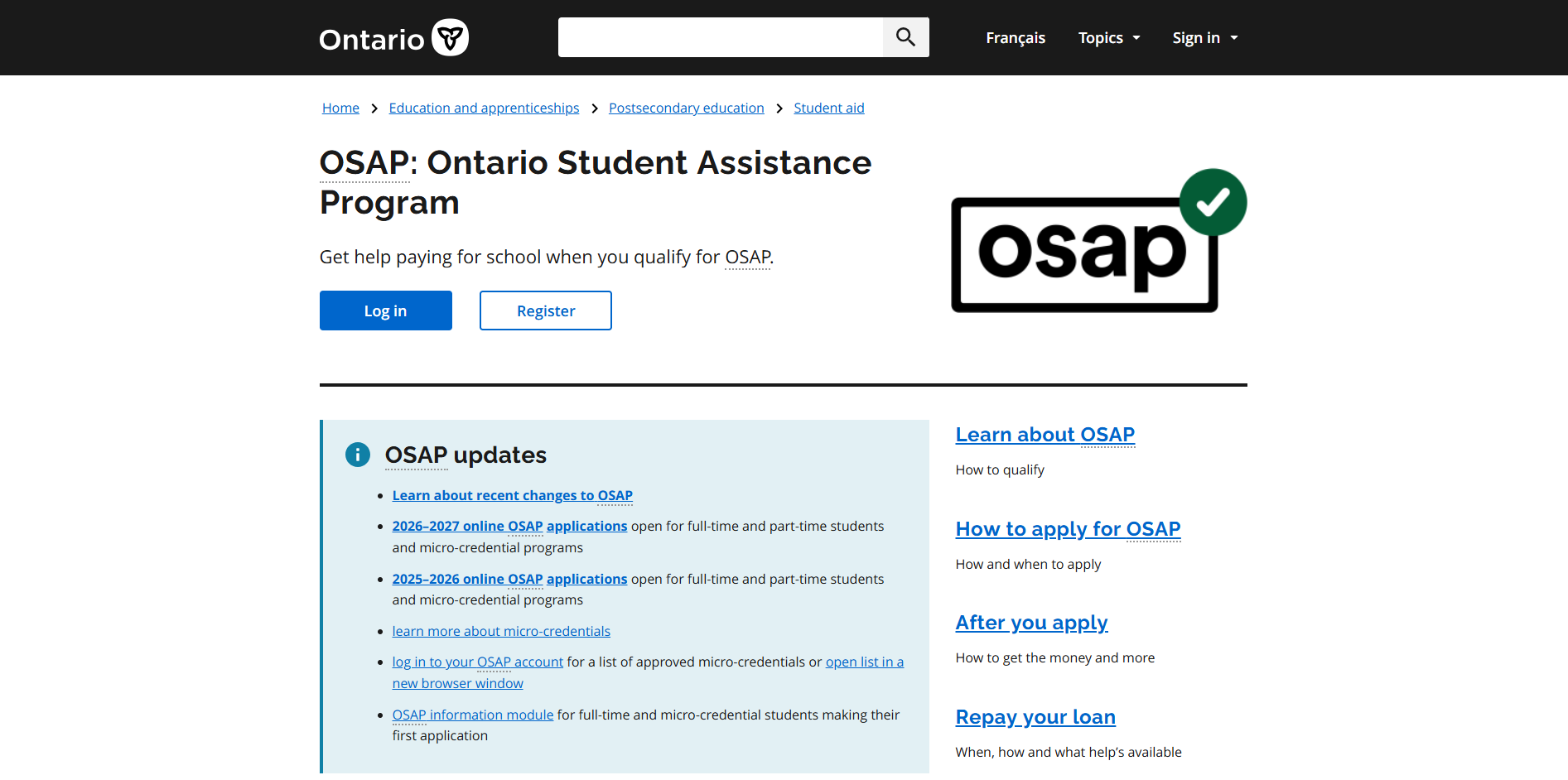
Whether you’re applying for government funding, such as OSAP for Ontarians, or looking into scholarships. It is crucial to make a note of the processes and deadlines for your applications. Aside from external funding, post-secondary institutions often have their own scholarships and bursaries. These can consist of a general personal statement, or require specific documents like an essay. Keep an eye out for the deadline to apply to these, as well as the guidelines for each.
To learn about the differences between scholarships, bursaries, and grants, refer to our downloadable guide here. And if you’re curious about internal and external scholarships, check out our blogpost Bills, Bills, Bills.
5. Organize your cloud
You set up your school. Yay! This likely means you have access to free cloud storage through your student email account. You can use this storage drive to keep all your assignments, syllabi and course materials in one place. You never know when you’ll need to refer back to them after all. But before you do that, make sure you organize the drive in folders by course. As your studies progress, you can even organize them by year and term. You never know when you’ll need to reference your notes for a future class so it’s good to have them saved somewhere.
Another folder that might be useful is a Cover letter (CV) and resume folder. This will get populated once you start applying for part-time jobs, work/study or co-op opportunities.
6. Set goals early
With all those tasks completed, I encourage you to really think about what you want to take away from this school year. Or even your degree/diploma/certificate as a whole. Ask yourself:
- Do you want to secure a work/study position?
- Do you want to become more involved in a specific community?
- Do you want to learn more about a specific area in your industry?
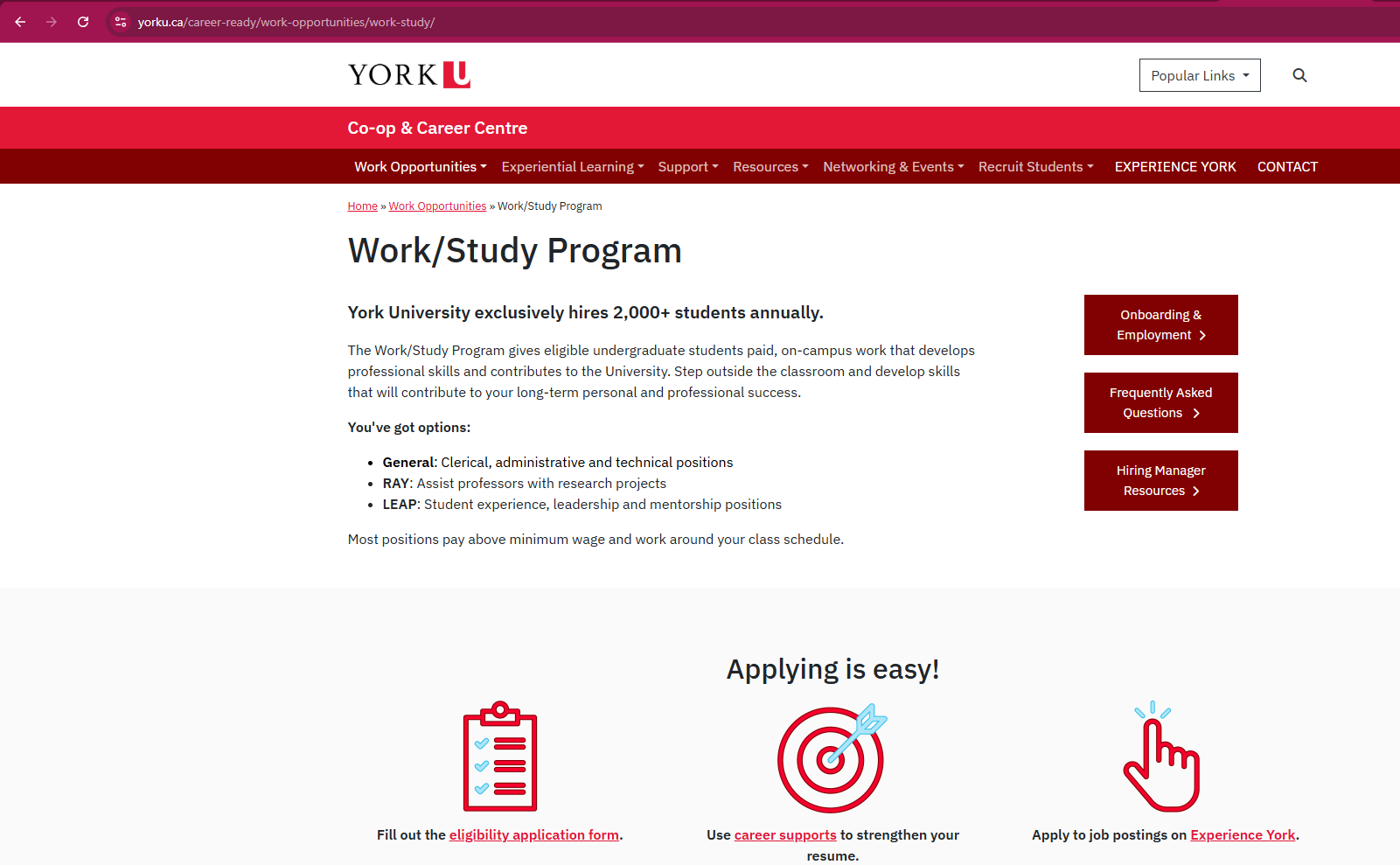
Doing your goal-setting early will enable you to research opportunities available to you as a student, and prevent you from missing important events. For example, if securing a work/study position is important to you, then you can research when positions are posted on the institution’s website. Or if you want to get involved in sports, then you can look into the dates and requirements for try-outs. You can also see if there are co-op or job shadowing programs at your institution.
With all these tips in mind, I am confident you will be able to tackle the school year in type-A fashion. And if there are any other things you want to learn in the back to school season, stay tuned for more blog posts.